

Qur’an learning
Qur’an Learning Educator
Supports foundational reading practice and steady progress in Qur’anic learning.
Education is supported by teachers, mentors, family communication, and learning resources. Ask the centre to confirm its current educators, programmes, and class availability.
Community education may draw on different kinds of teaching and practical support. These sample profiles illustrate roles that a learning programme might include; they do not confirm that each role is currently available at the centre.
Supports foundational reading practice and steady progress in Qur’anic learning.

Focuses on vocabulary, reading, comprehension, and practical language learning.

Encourages thoughtful learning about faith, practice, values, and responsibility.

Supports young people as they develop knowledge, confidence, and positive habits.

Values patient explanations, encouragement, and learning activities appropriate to a learner’s stage.

Helps make educational information accessible and connects learning with everyday life.

Encourages regular practice, confidence, and careful attention to progress.

Promotes respect, honesty, patience, and constructive relationships.

Values clear communication with parents and practical support for learning routines.

Helps organise useful resources and communicate learning expectations clearly.

Supports responsible organisation and respectful participation in community activities.

Encourages adults to continue learning at a pace suited to their needs and commitments.
Learners and families may want to ask about the subjects covered, the level of prior knowledge expected, class timing, teaching format, learning materials, and how progress is discussed. Clear answers help people choose an option that suits their needs and responsibilities.
For religious learning, it is important to understand the teaching approach and the specific curriculum being offered. The centre should confirm current schedules and instructor availability directly rather than relying on general examples shown on this page.
Ask about learning opportunities ↗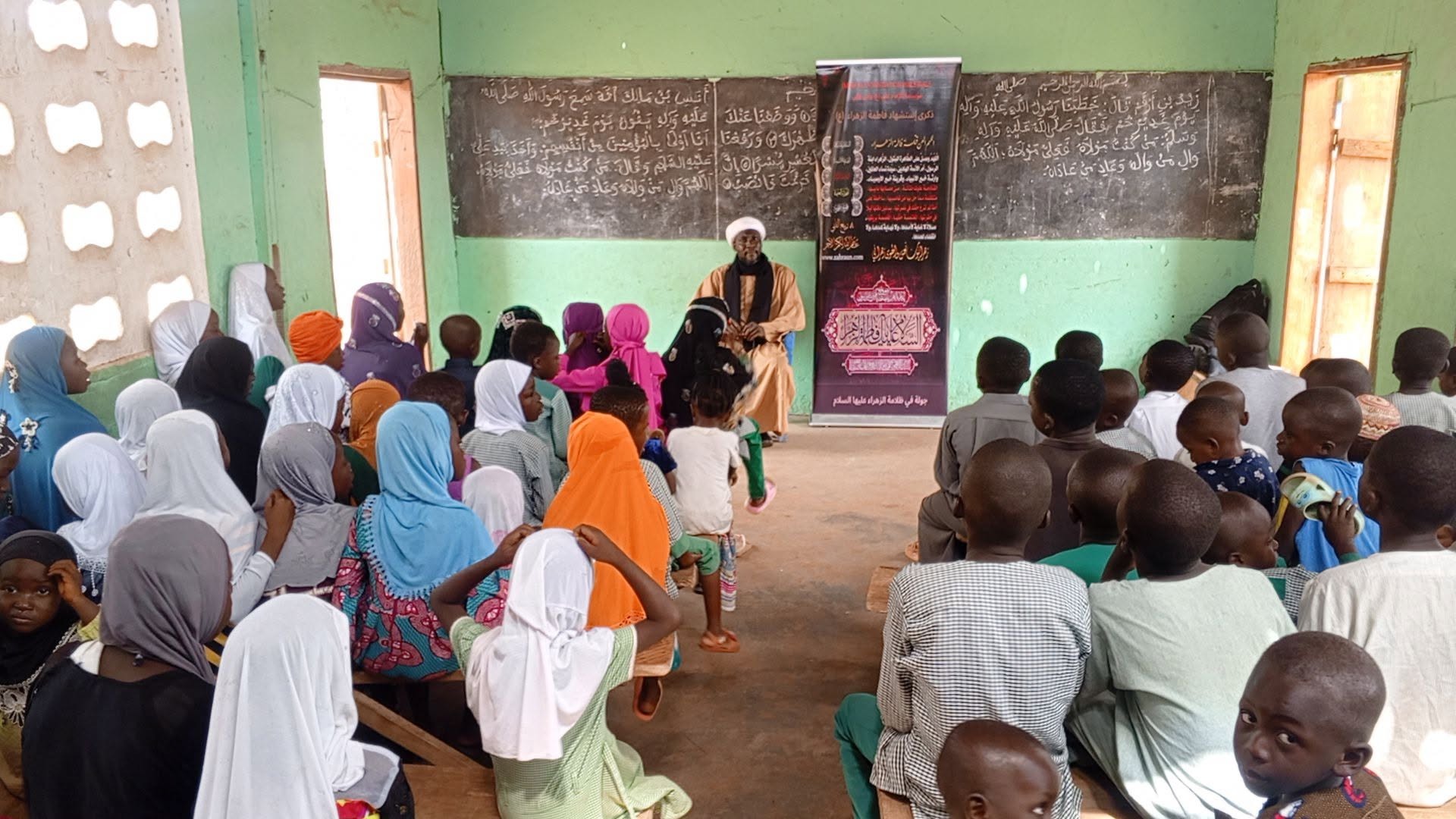
Good learning environments combine clear expectations, patience, and respect for participants.